How to Prepare Your West Lake Hills Home's HVAC for Summer
Published: 2026-04-26 · By ProHVAC West Lake Hills AC Repair & Heating Services
Summer in West Lake Hills means sweltering heat combined with oppressive humidity, making reliable air conditioning a necessity rather than a luxury. With temperatures soaring into the 90s and above, the functionality of your HVAC system becomes crucial. Imagine returning home from a day of outdoor activities during summer to find a stuffy, uncooled space, or worse, an HVAC system that has failed during a heatwave. To prevent such a scenario, proactive preparation can ensure your system operates efficiently throughout the summer months. Here’s how you can best prepare your home’s HVAC system to combat the intense Texas summer.
Why This Matters for West Lake Hills Homeowners
West Lake Hills homeowners face specific challenges when it comes to maintaining HVAC systems in the midst of extreme summer conditions. Humidity levels can exacerbate cooling needs, and a malfunctioning air conditioner can quickly lead to discomfort. Moreover, thunderstorms can introduce moisture and debris that could clog systems or cause additional damage. Such experiences can lead to costly repairs if left unchecked.
The combination of clay soil in the region can also impact a home’s foundation, which can lead to airflow issues if ductwork becomes misaligned due to shifting foundations. Therefore, homeowners need to keep a close eye on their HVAC systems to ensure they can endure not just the heat but also potential fluctuations that come from unique local environmental concerns.
As the summer heat rises, residents must act fast to address these concerns to avoid a costly breakdown in the hot months. It’s essential to consider preventative measures before problems arise, as they not only increase comfort but also enhance efficiency and prolong your HVAC system’s lifespan.
Expert Solutions & Actionable Tips
1. Schedule a Comprehensive HVAC Inspection
Start your summer setup by scheduling a complete inspection of your HVAC system. A professional technician can check for refrigerant levels, duct integrity, and system efficiency, often for around $80 to $150. This service typically takes about an hour, but the peace of mind it provides is invaluable. Given local humidity levels, ensuring your air conditioning unit is operating optimally is crucial to maximizing your home’s cool air.
2. Change or Clean Your Air Filters
Regularly changing or cleaning your HVAC air filters can significantly improve air quality while reducing energy costs. In West Lake Hills, filters should typically be checked every month during the summer, and replacing them costs about $10 to $30 apiece. A clean filter allows for better airflow and efficiency, which is essential given the furnace-like conditions your A/C will face in peak summer.
3. Clear Your Outdoor Unit
Ensure that the outdoor unit is free from debris like leaves, dirt, and branches. An unblocked system can operate more efficiently and may prevent overheating. Spend about $20 to $50 on basic cleaning supplies, and allocate a couple of hours to this task. Keep in mind that in severe storms, branches can fall, so regular maintenance is key.
4. Consider Investing in a Smart Thermostat
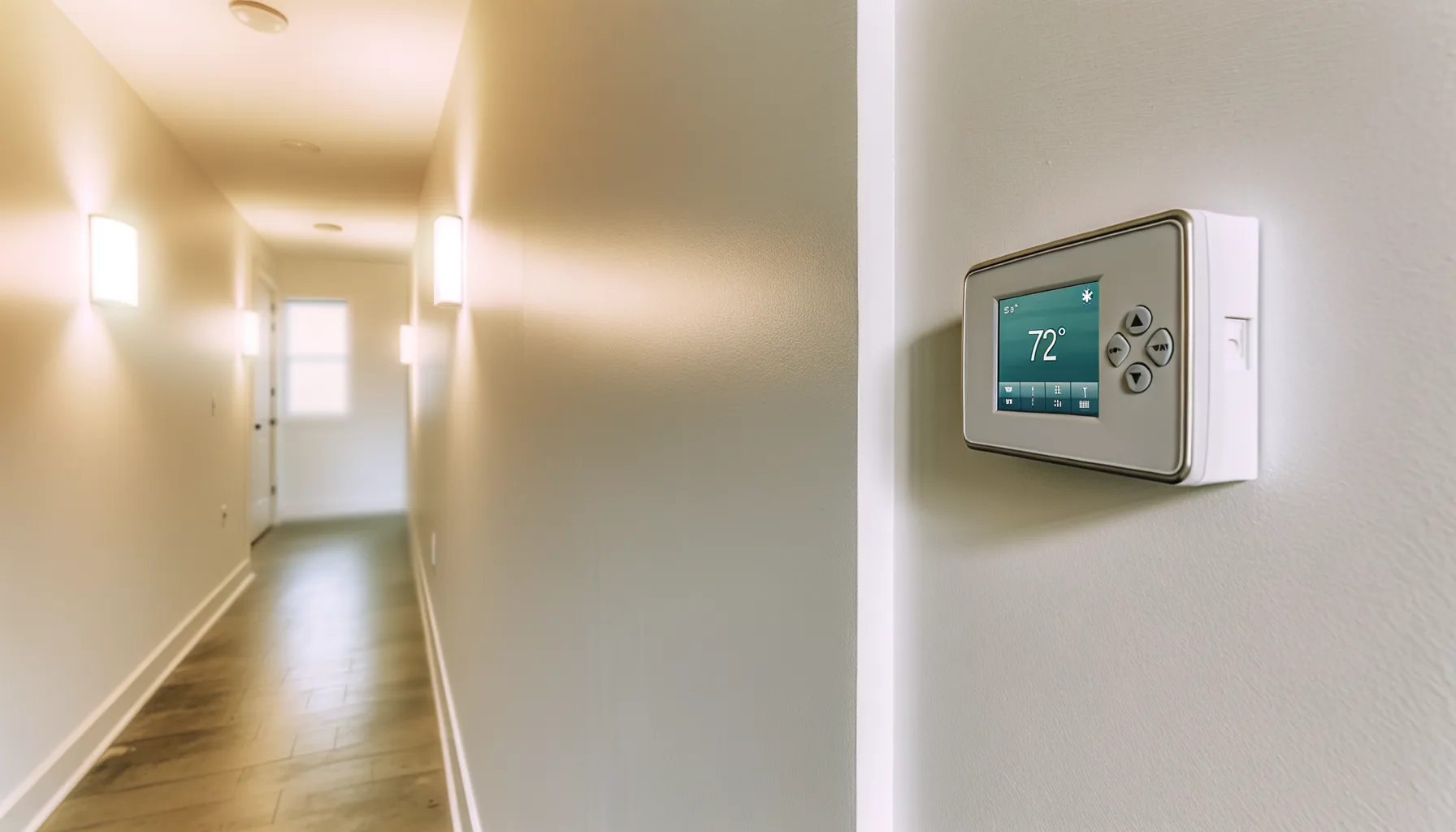
A smart thermostat can optimize your HVAC system's efficiency by allowing you to control the temperature remotely. With prices ranging from $100 to $300, the investment can lead to energy savings over time. As temperatures fluctuate unpredictably, the ability to adjust your settings from your smartphone can be a game-changer for busy families.
5. Insulate Ductwork for Enhanced Efficiency
In West Lake Hills, air leaks in ductwork can cause significant energy loss, especially with the demanding heat. Insulating ducts can be a DIY project, costing between $50 and $150, depending on materials. Proper insulation not only keeps the conditioned air inside but also prolongs the longevity of your HVAC unit during stifling summers.
6. Prepare for Hurricane Season
Given that hurricane season runs from June to November, it’s essential to have protections in place for your HVAC unit. Using a protective cover or securing outdoor components can save you from severe damage. Budget around $25 to $50 for protective materials, and be proactive—it's much cheaper than handling post-storm repairs.
West Lake Hills Climate & Local Context
West Lake Hills experiences a unique climate that intensifies the need for efficient HVAC solutions. With high heat and humidity typical of Texas summers, local homes often require robust cooling systems capable of handling drastic weather changes. Additionally, many homes in the area face foundation challenges due to the clay soil, which can affect air quality and system performance. Homeowners should familiarize themselves with local HVAC codes and permit requirements to ensure compliance during system upgrades or installations.
Moreover, considering the potential impacts of heavy thunderstorms and hailstorms, it's vital to select an HVAC system that is durable and designed for the challenges posed by the climate. Regular local code checks and permits help ensure compliance, especially when retrofitting systems to handle the added stress such weather conditions impose.
When to Call a Professional
While some HVAC tasks can be tackled by homeowners, others should always be left to professionals. Recognizing when to call for help can prevent mishaps and expensive repairs down the line. Familiarize yourself with the following red flags that suggest a professional intervention:
- Unusual noises from the HVAC system
- Persistent hot or cold spots in your home
- Unexplained increases in your energy bill
- Air conditioning not responding to temperature adjustments
- Strong, unpleasant odors during operation
- Water pooling around the indoor or outdoor units
- Ducts that feel warm when the air conditioner is running
- Lack of airflow from the vents
In these situations, avoid attempting fixes without proper training and equipment. A professional can diagnose complex issues and ensure that your HVAC system runs efficiently all summer long.
Frequently Asked Questions
How often should I service my HVAC system in West Lake Hills?
In West Lake Hills, it's advisable to service your HVAC system at least once before the summer season and once before winter. Regular maintenance helps your system operate efficiently in extreme conditions.
What should I do if my AC breaks down during summer?
If your AC breaks down, contact local experts like ProHVAC West Lake Hills AC Repair & Heating Services immediately at (737) 365-0396 for prompt assistance to restore your comfort.
Are there any energy-saving tips specific to West Lake Hills homes?
Yes, consider installing reflective window films and routinely check your insulation to combat the summer heat. These simple adjustments will enhance your HVAC’s efficiency.
How can I tell if my humidity levels are affecting my HVAC?
If you notice excessive moisture on walls or windows, or a musty odor, your humidity levels might be too high for your HVAC to manage effectively.
Is it worth investing in a smart thermostat?
Absolutely. A smart thermostat not only helps reduce energy consumption but also offers seamless control, making it easier to manage indoor climates given the fluctuating Texas weather.
Get Expert HVAC Service in West Lake Hills
Don't wait until the oppressive heat hits. Prepare your HVAC system now to ensure a cool, comfortable summer. For expert HVAC services, call (737) 365-0396 and let ProHVAC West Lake Hills AC Repair & Heating Services help safeguard your home's comfort during these intense months.
With the right preparation and maintenance, your West Lake Hills home can stay cool, ensuring you enjoy your summer season without worry.